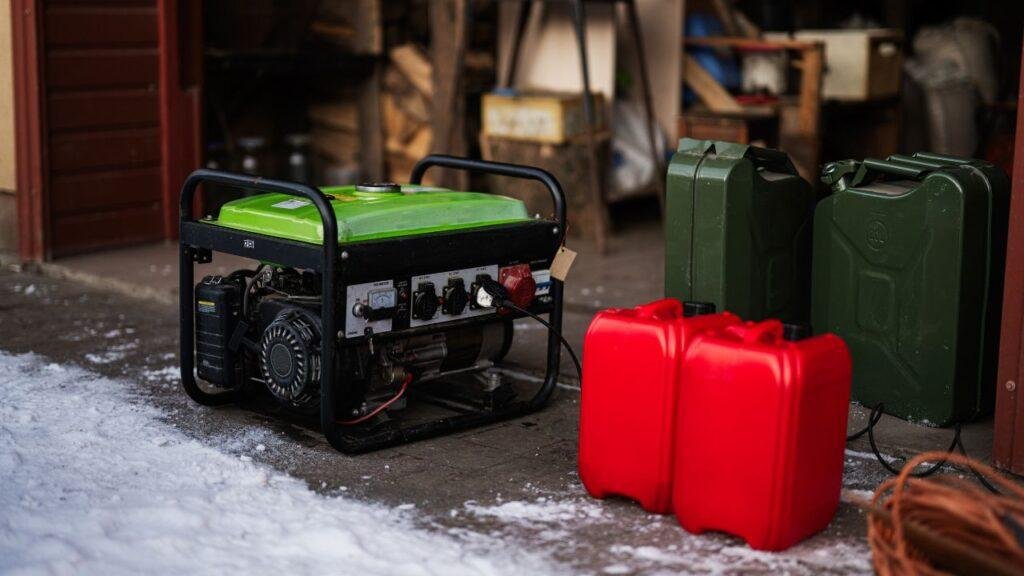
The convenience of pushing a button from indoors to power up your home during an outage is nothing short of revolutionary. Remote start generators offer that peace of mind, transforming a chilly, dark night into a manageable inconvenience. But with great power (and convenience) comes great responsibility. Operating remote start generators safely and effectively requires understanding more than just which button to push; it demands a solid grasp of Safety & Best Practices for Operating Remote Start Generators. Ignoring these protocols can turn a helpful appliance into a serious hazard.
This isn't about fear-mongering; it's about empowerment. We're here to equip you with the knowledge to harness your generator's power responsibly, protecting your home, your loved ones, and yourself. Let’s demystify the critical steps that ensure your remote start generator is a blessing, not a risk.
At a Glance: Your Quick Safety Checklist
- Location is Everything: Always operate outdoors, at least 20 feet from any building, window, or vent.
- CO Detectors are Non-Negotiable: Install battery-operated carbon monoxide detectors throughout your home.
- Electrical Connections: Use proper grounding, heavy-duty outdoor cords, and consider a transfer switch. NEVER backfeed power.
- Fuel Smart: Let the generator cool before refueling. Store fuel safely and away from living areas.
- Maintain & Inspect: Follow a regular maintenance schedule and perform pre-use checks.
- Remote Control Care: Keep it secure, test it regularly, and understand its signals.
- Family Plan: Educate everyone on safe operation and emergency procedures.
- Weather Wise: Adapt operation for wet, cold, or hot conditions with appropriate protection and ventilation.
- Know Your Manual: Read it cover-to-cover and understand all warning signs and controls.
Beyond Convenience: Understanding the Inherent Risks of Generator Operation
While a remote start feature adds a layer of comfort, it doesn't eliminate the fundamental hazards associated with generators. These powerful machines generate electricity by burning fuel, a process that, if not managed carefully, carries significant risks.
The most insidious threat is carbon monoxide (CO) poisoning. This odorless, colorless gas is a silent killer, produced by the exhaust of internal combustion engines. Even seemingly minor misplacements of a generator can allow deadly CO to seep into your home. Beyond CO, there are serious risks of electrical shocks and injuries from improper wiring, fire hazards due to fuel mishandling or overheating, and even noise hazards that can lead to hearing damage over prolonged exposure.
A remote start generator still requires the same diligent attention to safety as any other portable generator, but with the added layer of managing a wireless control system. Understanding these core risks is the first step toward mitigating them effectively. If you're looking to understand the mechanics and types of generators with this feature, you can learn about remote start generators.
The Golden Rule: Location, Location, Location for CO Safety
This is the single most critical safety measure you can take. Carbon monoxide is no joke, and where you place your generator determines whether it becomes a lifesaver or a life-taker.
- Go Outdoors, Go Far: Your generator must always operate outdoors. Period. Place it a minimum of 20 feet away from your home, and ensure it's positioned away from any windows, doors, or vents that could allow exhaust fumes to drift inside. Think of it like a barbecue grill – you wouldn't use that indoors, and the same applies to your generator's exhaust.
- Never Indoors, Ever: This can't be stressed enough. Never run a generator in a garage (even with the door open), basement, crawl space, shed, or any other partially enclosed area. Even if you think you have adequate ventilation, it's rarely enough to disperse CO safely.
- Seal Your Home: While your generator is running outdoors, keep all windows and doors to your home closed. This creates a barrier against any lingering CO gas that might otherwise enter your living spaces.
- Your CO Early Warning System: Install battery-operated CO detectors in your home, especially near living areas and bedrooms. Test them monthly to ensure they are functioning correctly. These devices are your lifeline against an invisible threat.
- Inspect and Protect: Regularly inspect the generator's exhaust system for any signs of leaks or blockages. A damaged muffler or clogged exhaust can redirect fumes dangerously.
- Recognize the Symptoms: Be vigilant for symptoms of CO poisoning: headache, dizziness, weakness, nausea, vomiting, chest pain, and confusion. These can often be mistaken for the flu. If anyone experiences these symptoms while the generator is running, immediately move everyone to fresh air and seek urgent medical attention.
Electrifying Safety: Wiring Your Remote Start Generator Smartly
Improper electrical connections are a leading cause of generator-related injuries and fires. Your goal is to deliver power safely without creating dangerous backfeeds or overloaded circuits.
- Power Matching: Before you even plug anything in, ensure your generator has adequate power capacity to meet your needs. Tally up the wattage of all appliances you plan to run. Overloading a generator can damage it and connected devices, potentially causing fires. For seamless power transitions with remote start, generators equipped with an Automatic Transfer Switch (ATS) are often ideal, as they safely switch between utility and generator power without manual intervention.
- Heavy-Duty Cords Are Key: Use only heavy-duty, outdoor-rated extension cords specifically designed for generator use. These cords must be thick enough (low gauge number) to handle the wattage of your appliances without overheating. Inspect cords regularly for frays, cuts, or damaged insulation.
- Prevent Overloading: Calculate the total wattage of all appliances you intend to connect. Start high-wattage appliances (like refrigerators) gradually, not all at once, to prevent surges. Some generators include power management systems to help with this.
- Grounding is Essential: Always ensure your generator is properly grounded according to the manufacturer's instructions. This typically involves connecting a grounding wire to an approved grounding rod. This step protects against electrical shock.
- Transfer Switch — The Ultimate Safety Net: For directly powering your home's electrical system, a professionally installed manual or automatic transfer switch is the safest and most recommended solution. A transfer switch isolates your home's electrical system from the utility grid, preventing dangerous power backfeed.
- NEVER Backfeed: This cannot be emphasized enough: Never plug your generator directly into a wall outlet in your home. This dangerous practice, known as backfeeding, bypasses critical safety mechanisms. It sends electricity back into the utility grid, which can electrocute utility workers attempting to restore power and potentially energize your neighbors' lines, creating a deadly hazard for anyone, including children, who might touch a downed power line.
- Secure & Weatherproof Connections: Use outdoor-rated, waterproof covers and connectors to protect all electrical connections from moisture and damage. Keep cords neat, avoiding tripping hazards and ensuring they are not pinched or run under carpets. Consider using a generator enclosure or cover to protect the unit and its wiring from harsh weather. Ensure all electrical components have water-resistant seals to prevent shorts or corrosion from moisture. For those interested in understanding how these systems integrate into a home, exploring remote start generator options often highlights features like ATS.
Fueling Up Right: Fire Prevention and Storage Practices
Generators run on highly flammable fuel, making proper handling and storage critical to prevent fires.
- Cool Down Before Refueling: This is a golden rule. Never refuel a hot or running generator. Allow it to cool down completely (at least 15-20 minutes) before adding fuel. Spilled fuel on a hot engine can instantly ignite.
- Approved Storage: Store fuel in approved, clearly labeled containers specifically designed for gasoline or diesel. Keep these containers in a cool, dry, well-ventilated area, away from living spaces, heat sources, and direct sunlight. A shed detached from your home is often a good choice.
- Fuel Stabilizers: For long-term storage, especially during off-season, use a fuel stabilizer to prevent fuel degradation and keep your generator ready to go. Stale fuel can gum up the carburetor and fuel lines.
- No Smoking, No Flames: Absolutely no smoking, open flames, or sparks should be present near the generator or its fuel storage area. Fumes are as dangerous as liquid fuel.
- Correct Fuel Type: Always use the type of fuel specified in your generator's manual. Using the wrong fuel can damage the engine and void your warranty.
The Brains of the Operation: Mastering Your Remote Start System
Your remote control is the gateway to your generator's power. Treat it with the respect it deserves, and understand its capabilities and limitations.
- Keep it Secure: Your remote control should be kept in a designated, secure location, away from children and pets who might accidentally activate the generator.
- Password Protection: If your remote start system offers password protection or lockout features, enable them. This adds another layer of security against unintended startups.
- Regular Testing is Crucial: Test your remote start system regularly, ideally once a month, even when not in an outage. Confirm that both the start and stop functions work correctly. This also allows you to check for any error signals or low battery warnings from the remote or the generator itself.
- Signal Strength & Battery Life: Ensure your remote control's batteries are charged and that you have a clear line of sight or sufficient signal strength between the remote and the generator. Obstructions can interfere with communication, leading to frustrating failures to start when you need it most.
- Know Your Manual, Know Your Controls: Read your generator's user manual thoroughly. Understand the function of every button, switch, and warning light on both the generator control panel and the remote. Knowing what a flashing light or error code means can save you time and prevent panic during an outage. For more details on what to look for, understanding different remote start generator models can be helpful.
A Lifesaving Habit: Regular Maintenance & Pre-Operation Checks
A generator is a machine, and like any machine, it needs consistent care to perform reliably and safely.
- Stick to the Schedule: Implement a regular maintenance schedule as outlined in your generator's manual. This typically includes:
- Oil Changes: Essential for engine longevity.
- Filter Replacements: Air and fuel filters prevent debris from damaging the engine.
- Spark Plug Checks: A clean, properly gapped spark plug ensures efficient ignition.
- Fuel System Inspections: Check for leaks, cracks, or blockages in fuel lines.
- The Pre-Use Inspection: Before each operation (especially if it's been stored for a while), conduct a quick inspection:
- Check fuel levels.
- Verify the generator battery charge (if it has an electric start).
- Check engine oil status.
- Ensure the operating area is clear and well-ventilated.
- Confirm the remote start device's function.
- Inspect all wires and connections for damage or looseness.
- Cleanliness Matters: Gently clean remote and generator controls to prevent dirt, dust, or debris from blocking buttons or interfering with sensors.
- Disable Before You Tinker: Crucially, always disable the remote start feature (if possible) or remove the battery from the remote control when performing maintenance, refueling, or repairs. This prevents any accidental activation that could lead to serious injury.
- Recognize Warning Signs: Pay attention to any unusual noises, smoke, sudden generator stops, failure to start, or flashing lights/error codes on the control panel. These are signals that something is wrong.
- Call a Pro for Repairs: Do not attempt to fix electrical parts or complex engine issues yourself unless you are a qualified technician. Generator repairs can be dangerous. Keep the emergency numbers for your generator service provider or a certified technician handy.
Training Your Team: A Family Emergency Plan
Generator safety isn't a solo act. Everyone in your household should know how to operate the generator safely and what to do in an emergency.
- Educate Everyone: Take the time to train all responsible family members on the basics of safe generator operation, including proper startup, shutdown, and the location of emergency controls.
- Startup & Shutdown Checklists: Create a simple, laminated checklist for generator startup and shutdown procedures. Post it near the generator or where the remote control is stored. This reduces the chance of forgetting a critical step.
- Emergency Shutdown Procedures: Ensure everyone knows how to quickly and safely shut down the generator in an emergency. This might involve pressing a stop button on the generator itself or knowing how to use the remote's emergency stop feature.
Weathering the Storm: Operating Generators in Diverse Conditions
Generators are often used during inclement weather, so understanding how to operate them safely in various conditions is vital.
- Wet Conditions: Rain, snow, or excessive humidity pose electrical shock risks. Use a generator cover (designed specifically for operation, allowing ventilation) to protect the unit from moisture. Always operate the generator on a dry, level surface, ideally under an open-sided canopy or shelter that provides protection from precipitation while allowing ample airflow. Never operate a generator in standing water.
- Cold Weather: Extreme cold can affect generator performance. Use winter-grade fuel (which has a lower gel point) to prevent fuel line freezing. Keep the generator warm between uses by storing it in a protected area or using a generator warmer/blanket if recommended by the manufacturer. Starting can be harder in the cold, so ensure your battery is fully charged.
- Hot Weather: High temperatures increase the risk of overheating. Ensure the generator has ample ventilation and is not enclosed in any way that restricts airflow. Monitor oil levels more closely, as engines can consume more oil in extreme heat. Protect fuel containers from direct sunlight to prevent pressure buildup.
Staying Legal: Local Regulations and Environmental Awareness
Operating a generator isn't just about personal safety; it's also about being a responsible community member.
- Noise Ordinances: Generators can be noisy. Be aware of and comply with local noise ordinances, especially if operating your generator during nighttime hours in residential areas. Some communities have specific time limits or decibel restrictions.
- Permit Requirements: For more permanent generator installations (especially those connected to your home's electrical system via a transfer switch), you may need electrical permits or building permits. Always check with your local municipality or homeowner's association before installation.
- Environmental Regulations: Understand local environmental regulations regarding fuel storage and generator emissions. Proper disposal of used oil and other fluids is also important.
Beyond the Basics: Pro-Tips for Remote Start Generator Owners
Here are a few additional pointers to enhance your generator experience and safety.
- Sizing It Right: A common mistake is buying a generator that's either too small or excessively large. Too small, and you'll constantly trip breakers; too large, and you're wasting fuel and money. Take an inventory of your essential appliances and their wattage. Look for surge wattage (startup watts) for items like refrigerators and AC units.
- The ATS Advantage: For those who want the ultimate in remote start convenience and safety, an Automatic Transfer Switch (ATS) is invaluable. When grid power fails, an ATS automatically detects the outage, starts your generator, and transfers the electrical load. When power returns, it reverses the process, shutting down the generator. This means you don't even have to press the remote start button during an outage – the system handles it all seamlessly and safely, completely eliminating backfeeding risk.
- Smart Storage: If your generator has a battery for electric start (which most remote start models do), ensure it's on a trickle charger or maintained properly during long periods of non-use. A dead battery means no remote start.
- Documentation Station: Keep all your generator's manuals, maintenance logs, and warranty information in one accessible, waterproof binder. This makes troubleshooting, maintenance, and ordering parts much easier.
Your Power, Your Responsibility: Final Steps for Peace of Mind
Remote start generators offer incredible utility and comfort during power outages. They give you control from the warmth and safety of your home, but that convenience is only truly beneficial when coupled with diligent safety practices.
By prioritizing proper placement, understanding electrical connections, handling fuel with care, maintaining your unit, and educating your household, you transform a potentially dangerous machine into a reliable ally. Continuously educate yourself, stay vigilant, and never cut corners on safety. Your peace of mind, and the safety of everyone around you, depends on it. Be smart, stay safe, and let your remote start generator work its magic responsibly. If you're considering a new generator, researching remote start generator models can help you choose one with the right safety features for your needs.