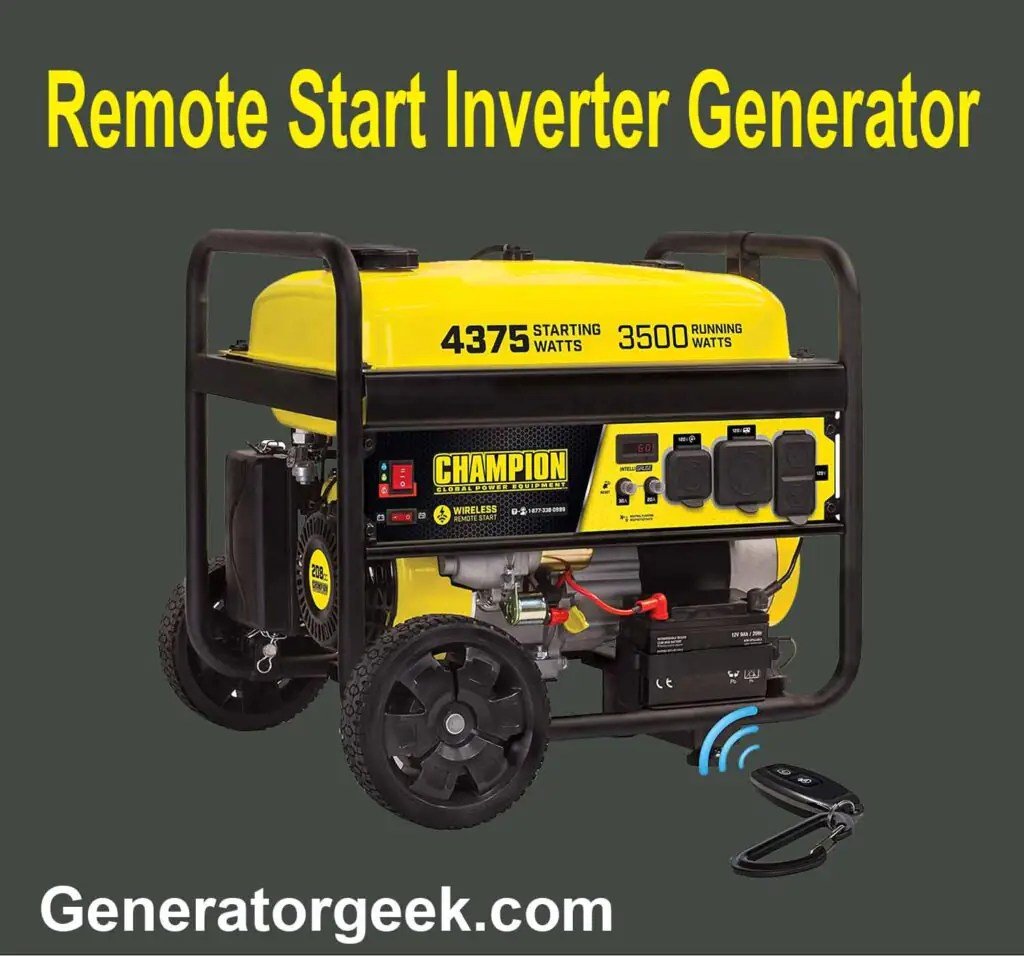
Imagine this: the power goes out, the rain is coming down in sheets, or maybe it's the dead of winter. The last thing you want to do is trudge outside, fumble with a pull cord, and manually start a generator. That’s precisely where a remote start generator becomes your best friend. It’s not just about convenience; it's about safety, peace of mind, and ensuring your power needs are met with a simple press of a button, no matter the conditions.
This isn't just another product list. This Remote Start Generator Buying Guide is your deep dive into understanding what makes these powerhouses tick, how to choose the right one for your specific needs, and which models stand out from the crowd. We'll cut through the jargon and give you the clear, actionable insights you need to make an informed decision.
At a Glance: What You Need to Know
- Convenience is King: Start or stop your generator wirelessly from a distance.
- Match Power to Needs: Calculate your required wattage carefully to avoid overload or overspend.
- Fuel Flexibility: Dual fuel options offer versatility and extended runtimes.
- Quiet Operation Matters: Look for lower dBA ratings, especially for residential or camping use.
- Safety First: Prioritize features like CO sensors and low-oil shutdown.
- Inverter Power for Sensitive Gear: Essential for electronics like laptops and TVs.
Why the Remote Start Advantage? Your Power, On Demand
Remote start generators are a game-changer for anyone who relies on portable power. Whether you’re an RV enthusiast, a dedicated camper, a homeowner bracing for outages, or a contractor on a job site, the ability to control your power source wirelessly is incredibly liberating. No more manual pull starts, no wrestling with a cold engine in the dark, and no exposure to adverse weather just to get power flowing.
How These Smart Machines Work Their Magic
At its core, a remote start generator works by wirelessly linking a handheld remote control (often a key fob) to the generator's internal system. Here's the simplified breakdown:
- Signal Transmission: You press a button on your remote. This sends a wireless signal, typically via radio frequency, to a receiver on the generator.
- Signal Processing: The generator's receiver decodes this signal, confirming it's a legitimate command.
- Engine Activation: Once confirmed, the receiver triggers the generator's starting system. This involves a starter motor and battery, much like a car engine, which cranks the generator to life.
- Power Production: The engine begins running, and the alternator starts producing electricity.
- Confirmation (Optional): Some advanced models might send a signal back to your remote or provide visual/audio cues on the generator itself, confirming it has started successfully.
Key components making this possible include the remote control/key fob, the wireless receiver, a robust starter motor, and a dedicated battery. Crucially, these systems are integrated with safety sensors for low oil, overload protection, automatic shutoff, and increasingly common (and vital) carbon monoxide (CO) sensors.
Finding Your Match: Types of Remote Start Generators
Not all generators are created equal, and understanding the different types is your first step to making a smart purchase. Each category serves distinct needs and scenarios.
1. Portable Generators: Your Go-Anywhere Power Buddy
These are the workhorses most people envision. Compact, often equipped with wheels and handles, and designed for mobility. They're perfect for:
- Camping and Tailgating: Powering lights, small appliances, and entertainment.
- Temporary Job Sites: Running power tools where grid power isn't available.
- Small Home Backup: Keeping essential lights and a refrigerator running during short outages.
Portable generators prioritize flexibility and ease of transport, making them a popular choice for diverse applications.
2. Inverter Generators: Quiet Power for Sensitive Tech
If you need quiet operation and pristine power for delicate electronics, an inverter generator is your answer. They stand out due to:
- Quiet Operation: Significantly lower dBA levels than conventional generators, making them ideal for campgrounds or residential areas.
- Clean Power: Produce stable power with low Total Harmonic Distortion (THD), typically less than 3%. This is crucial for laptops, smartphones, TVs, and medical equipment that can be damaged by "dirty" power spikes.
- Fuel Efficiency: Often feature an "Eco-Mode" that adjusts engine speed to match the load, saving fuel and reducing noise.
While generally more expensive per watt than conventional portables, their benefits for sensitive electronics and peaceful operation often justify the cost.
3. Standby Generators: The Ultimate Home Backup
For whole-home power protection, standby generators are the pinnacle. These heavy-duty units are:
- Permanently Installed: Mounted outside your home, similar to an AC unit.
- Automatic Activation: Automatically detect power outages and turn on, then shut off when grid power returns. You don't lift a finger.
- Massive Power Output: Capable of powering entire homes, including HVAC systems, large appliances, and sensitive electronics.
Standby generators require professional installation and typically run on natural gas or propane, connecting directly to your home's fuel lines. While they rarely feature remote manual start, their automatic remote-sensing start mechanism is the ultimate convenience for home backup.
4. Dual Fuel Generators: The Best of Both Worlds
Dual fuel generators offer incredible versatility by running on two different fuel types, typically gasoline and propane. This means:
- Extended Runtime: Switch fuels when one runs low, prolonging operation without needing to refuel.
- Fuel Availability: Take advantage of whichever fuel is more readily available or cost-effective in a given situation. Propane also has a much longer shelf life than gasoline, making it excellent for long-term storage or emergency preparedness.
- Cleaner Emissions: Propane burns cleaner than gasoline, which can be beneficial for the environment and generator maintenance.
For anyone looking for maximum flexibility and preparedness, a dual fuel remote start generator is a compelling option.
Your Buying Checklist: Key Factors to Consider
Choosing the right remote start generator means weighing several factors against your specific needs and budget. Think of this as your personalized decision tree.
1. Wattage: Don't Underestimate Your Needs
This is arguably the most critical factor. You need to match the generator's power output (measured in watts) to the appliances you plan to run.
- Starting Watts (Peak Watts): The brief surge of power required to start motor-driven appliances (like refrigerators, AC units, pumps).
- Running Watts (Rated Watts): The continuous power needed to keep appliances operating.
How to calculate:
- List all the appliances you intend to power simultaneously.
- Find the starting and running watts for each (often on a sticker or in the manual).
- Add up the running watts of all continuous-use items.
- Identify the single item with the highest starting watts.
- Add the highest starting watts to the total running watts. This gives you your estimated peak wattage need.
General Guidelines:
- RVs/Camping: Often 2,000W - 4,500W for basic needs, maybe up to 5,000W for a single AC unit.
- Essential Home Backup: 5,000W - 7,500W can cover a refrigerator, lights, TV, and small electronics.
- Large Home Backup/HVAC: 8,000W - 12,000W (or more) for running central air conditioning and multiple major appliances.
Always err on the side of slightly more wattage than you think you'll need; you can never have too much, but too little will trip breakers and leave you in the dark.
2. Fuel Type: Gasoline, Propane, Diesel, or Both?
Your fuel choice impacts cost, availability, storage, and emissions.
- Gasoline: Most common, widely available. Downsides: shorter shelf life (needs stabilizers), produces more emissions, can be dangerous to store in large quantities.
- Propane: Cleaner-burning, longer shelf life, safer to store. Downsides: Bulky tanks, slightly lower power output compared to gasoline for the same engine size. Often cheaper per gallon equivalent.
- Diesel: Highly fuel-efficient, durable engines, long-lasting. Downsides: More expensive generators and fuel, louder. Less common for portable remote start models.
- Dual Fuel: As discussed, offers the best of both worlds. Excellent for preparedness and versatility.
3. Noise Level: Keep the Peace
Generator noise is measured in decibels (dBA).
- Quiet Generators (≤60 dBA): Essential for residential areas, campgrounds, or any situation where noise pollution is a concern. Inverter generators excel here. (Think normal conversation volume).
- Moderate Generators (60-75 dBA): Acceptable for job sites or areas where noise isn't a primary concern, but might annoy neighbors.
- Loud Generators (>75 dBA): Typically large, conventional models. Fine for very remote locations.
Always check the dBA rating at a specified distance (e.g., 23 feet or 7 meters) and load (e.g., 25% load).
4. Portability: Moving Power Where You Need It
If you need to move your generator frequently, portability features are key:
- Weight: Lighter is better, especially for camping or tailgating.
- Wheels: Large, never-flat wheels are a lifesaver for heavier units.
- Handles: Sturdy, often foldable or telescoping handles make transport much easier.
- Frame Design: Open-frame designs can be lighter than fully enclosed inverter models but might be slightly noisier.
5. Runtime: How Long Will It Last?
Runtime indicates how long a generator can run on a single tank of fuel at a specific load (e.g., 50% or 25% load).
- Longer Runtime = Less Refueling: Crucial for overnight use or extended outages.
- Eco-Mode: Many inverter generators have an economy mode that throttles the engine down when less power is needed, significantly extending runtime and saving fuel.
6. Start Type: Beyond Remote Start
While we're focused on remote start, many generators offer multiple starting methods:
- Remote Key Fob Start: The core feature we're discussing.
- Electric Push-Button Start: A convenient button on the unit itself.
- Recoil Start (Manual Pull Cord): A reliable backup, good to have in case the battery dies.
7. Brand and Warranty: Trust in Your Investment
- Reputable Brands: Champion, Westinghouse, Generac, Honda, DuroMax, maXpeedingrods are well-known in the industry for quality and support.
- Warranty: Look for a minimum 2-3 year limited warranty. Good customer service and readily available parts are also essential. Check for lifetime technical support as a bonus.
8. Safety Features: Non-Negotiables
Modern generators come with critical safety features you shouldn't overlook:
- CO Shield/Sensor: Automatically shuts down the generator if dangerous levels of carbon monoxide are detected. Absolutely essential.
- Low Oil Shutdown: Prevents engine damage by turning off the generator if oil levels drop too low.
- Overload Protection/Circuit Breakers: Protects the generator and connected appliances from damage due to excessive load.
- GFCI Outlets: Ground Fault Circuit Interrupter outlets protect against electric shock, especially important when operating in wet conditions.
- Rubber Outlet Covers: Protect outlets from moisture and debris.
For a deeper dive into generator safety and best practices, you might want to learn more about remote start generators and how to use them responsibly.
Advantages That Go Beyond Convenience
Beyond the sheer ease of starting and stopping from afar, remote start generators offer several practical benefits that enhance safety and efficiency:
- Enhanced Safety: Operating from a distance keeps you away from potentially loud exhaust, moving parts, and exhaust fumes, especially carbon monoxide. This is invaluable during storms or emergency situations.
- Time-Saving Efficiency: No more manual cranking means faster power restoration, allowing you to focus on other critical tasks.
- Fuel and Engine Longevity: Features like Eco Mode and automatic shut-off prevent unnecessary idling, conserving fuel and reducing wear and tear on the engine, ultimately extending the generator's lifespan.
- Versatile Placement: You can place the generator in a safe, well-ventilated area (away from your home!) and still control it from the comfort of indoors.
Keeping the Lights On: Essential Generator Maintenance
A remote start generator is an investment, and like any valuable piece of equipment, it thrives on regular care. Proper maintenance ensures reliability when you need it most.
- Regular Inspections: Before each use (and periodically even when stored), check oil levels, inspect and clean the air filter, and ensure all cables and connections are secure. Always test the remote start function to ensure the battery is charged and the system is communicating.
- Battery Care: The remote start feature relies on a healthy battery. Keep it charged (many generators have a trickle charger). Inspect terminals for corrosion and clean them if necessary. Replace the battery according to the manufacturer's recommendations.
- Fuel Management:
- Gasoline: For extended storage (over 30 days), always drain the fuel tank and carburetor, or use a high-quality fuel stabilizer. Stale gasoline can gum up the carburetor and cause hard starting.
- Propane: Propane tanks are generally maintenance-free but should be stored in a well-ventilated area.
- Cleaning and Storage: After use, allow the generator to cool, then clean the exterior of any dirt or debris. Store it in a cool, dry, well-ventilated location, covered to protect it from dust and moisture.
The Top Contenders: Best Remote Start Generators of 2026
Now that you're armed with the knowledge, let's look at some of the top remote start generators available today. We've highlighted their key features, pros, and cons to help you pinpoint the best fit.
1. Champion Power Equipment 4500 (Wireless Remote Start Inverter Generator)
- Best For: RVs, camping, sensitive electronics, quiet home emergencies.
- Performance: 4500 starting watts, 3500 running watts from a 212cc engine. Delivers clean power (<3% THD) suitable for refrigerators, RV ACs, and sensitive electronics.
- Noise: Exceptionally quiet at 61 dBA.
- Fuel & Runtime: Gasoline, 2.3-gallon tank. Provides an impressive 13-14 hours of runtime at 25% load, enhanced by Economy Mode. Features Cold Start Technology for easy starts in cold weather.
- Portability: Compact design with a sturdy handle and no-flat tires for easy movement.
- Safety: Equipped with CO Shield and low-oil shutdown.
- Outlets: Includes a 120V 30A RV outlet, two 120V 20A household outlets, a 12V DC automotive outlet, and a dual USB adapter. Intelligauge monitors voltage, frequency, and operating hours.
- Pros: Ultra-quiet operation, clean power, long runtime, user-friendly features, robust safety.
- Cons: Gasoline-only, lacks dual fuel flexibility.
2. Westinghouse 12500 Watt Dual Fuel Generator (WH12500DFc)
- Best For: Whole-home backup, heavy-duty applications, job sites, situations needing maximum power.
- Performance: A powerhouse with 12500 peak watts (gasoline) and 11200 peak watts (propane), delivering 9500 running watts (gasoline) and 8500 running watts (propane) from a 457cc engine. Easily handles high-power appliances like HVAC units, refrigerators, and sump pumps.
- Noise: 74 dBA, which is reasonable for a generator of this immense size and power.
- Fuel & Runtime: Dual fuel (Gasoline, Propane). Runs for 11-12 hours at 50% load on gasoline with a large 6.6-gallon tank. EPA and CARB compliant.
- Portability: Built with a heavy-duty steel frame and sturdy wheels to manage its weight.
- Safety: Features low oil shutdown, GFCI-protected outlets, and CO sensors for enhanced safety.
- Outlets: RV-ready 120/240V 14-50R, transfer switch-ready L14-30R, and six standard 120V household outlets, all with rubber covers. A VFT display monitors voltage, frequency, and runtime.
- Pros: Most powerful on this list, dual fuel versatility, long runtime, multiple start options (remote key fob, electric, recoil), comprehensive safety.
- Cons: High weight, but the large wheels help with mobility.
3. Champion Power Equipment 4250 (Open-Frame Inverter Generator)
- Best For: RVs, camping, quiet home backup, sensitive electronics, parallel operation.
- Performance: 4250 starting watts, 3500 running watts from a 224cc engine. Provides clean power (<3% THD) making it safe for all sensitive electronics.
- Noise: Quiet at 64 dBA thanks to Quiet Technology, reducing noise by 50% compared to traditional generators.
- Fuel & Runtime: Gasoline, 4-gallon tank. Delivers 13-14 hours of runtime at 25% load with Economy Mode for fuel conservation. Features Cold Start Technology.
- Portability: Lightweight open-frame design with a smaller footprint than many traditional generators, enhancing portability. Parallel kit capable for combining two units for more power.
- Safety: Includes low oil shutdown and CO monitoring.
- Outlets: RV-ready 120V 30A, two 120V 20A household, a 12V DC automotive, and a dual USB adapter. Intelligauge display for key metrics.
- Pros: Quiet operation, fuel-efficient, clean power, open-frame design for lighter weight, parallel capability.
- Cons: Gasoline-only, not dual fuel.
4. maXpeedingrods 4000 (Small Generator with Bluetooth App Remote Monitoring)
- Best For: Outdoor adventures, RV trips, light home backup, tech-savvy users, ultra-quiet operation.
- Performance: Handles small to medium demand items with steady, clean power for sensitive electronics.
- Noise: Incredibly silent at 56-58 dBA.
- Fuel & Runtime: Gasoline, 4-liter tank. Runs 8-10 hours at 50% load, with an Eco Mode controllable via the app.
- Portability: Very lightweight and compact frame for easy transport.
- Safety: Equipped with a CO alarm and digital monitoring features accessible via the app.
- Outlets: Includes 120V RV-ready, multiple household outlets, and USB ports.
- Unique Feature: Bluetooth app for remote monitoring and control, a modern touch.
- Pros: Bluetooth app control, extremely quiet, lightweight, fuel-efficient, excellent for sensitive electronics.
- Cons: Modest fuel tank size, not designed for high-demand appliances.
5. Westinghouse iGen4000DFc (Dual Fuel Inverter Generator)
- Best For: RVs, camping, home backup, sensitive electronics, those needing dual fuel in a compact package.
- Performance: Inverter technology ensures clean, stable power, safe for sensitive electronics. Powers RV air conditioners, TVs, and coffee makers with ease.
- Noise: Exceptionally low at 52 dBA, making it one of the quietest options.
- Fuel & Runtime: Dual fuel (Gasoline, Propane). Offers 6.5-7 hours of runtime at 50% load on gasoline from its 1.69-gallon tank. Economy Mode extends this further.
- Portability: Lightweight frame, telescoping handle, and wheels for superior portability.
- Safety: Features automatic CO shutdown and low oil protection.
- Outlets: RV-ready 120V 30A, two 20A household outlets, and two USB ports. LED digital display provides real-time information.
- Pros: Dual fuel flexibility, very quiet operation, highly portable, clean power, user-friendly design.
- Cons: Shorter runtime at 50% load compared to some larger gasoline-only models.
6. GENMAX GM3500iAED (Dual Fuel Inverter Generator)
- Best For: Camping, RV trips, residential backup for essential appliances, quiet operation with fuel flexibility.
- Performance: Inverter technology provides clean electricity for sensitive electronics. Capable of powering essential appliances like refrigerators and medium-load devices.
- Noise: Quiet at 62 dBA, making it suitable for RV parks and campgrounds.
- Fuel & Runtime: Dual fuel (Gasoline, Propane). Offers 8-10 hours of runtime at 25% load on gasoline from a 1.7-gallon tank. Eco Mode helps conserve fuel.
- Portability: Robust yet lightweight and compact design with a telescopic handle for easy transport.
- Safety: Features CO detection and low oil shutdown. Digital control center for monitoring.
- Outlets: RV-ready 120V, household outlets, and USB ports. Includes a remote start feature.
- Pros: Dual fuel capability, quiet, highly portable, clean power, fuel-efficient.
- Cons: Specific runtime data for propane and full load not explicitly detailed.
7. DuroMax XP9000iH (Most Powerful Dual Fuel Inverter Generator with Remote Start)
- Best For: Power-hungry applications needing clean power, home backup, job sites, large RVs.
- Performance: An impressive 9000-watt inverter generator. Delivers clean, stable power (low THD) safe for the most sensitive electronics, while offering substantial output for larger loads. Parallel kit capable for even more power.
- Noise: Designed for low noise operation, a key benefit of inverter technology, especially for its high wattage.
- Fuel & Runtime: Dual fuel (Gasoline, Propane) for maximum flexibility and fuel efficiency.
- Portability: While specific details aren't listed, inverter generators of this size typically incorporate features to aid portability, though it will be heavier than smaller units.
- Safety: Inverter technology inherently offers advanced protection; specific safety features like CO sensor and low oil shutdown are standard for reputable brands. Features a user-friendly digital control center.
- Pros: Highest wattage inverter on this list, dual fuel, clean power, parallel capable, advanced digital control.
- Cons: Inverter generators, especially high-wattage ones, are generally more costly. Specific portability features and runtime details require further verification.
8. Westinghouse WGen7500 Remote Start Generator
- Best For: Emergency home backup, powering a significant portion of a house, job sites needing substantial power.
- Performance: A robust unit with 9,500 peak watts and 7,500 running watts from a 420cc 4-Stroke OHV engine. Capable of powering essential household appliances, lights, and some heavy-duty tools.
- Noise: Not specified, but as a conventional (non-inverter) generator, expect it to be louder than inverter models.
- Fuel & Runtime: Primarily gasoline (built-in fuel gauge). Specific runtime at load not detailed but expect strong performance from the large engine.
- Portability: Features a hardened-steel frame, roll bars, a foam grip handle, and never-flat wheels for durability and ease of movement despite its size.
- Safety: Includes automatic low oil shutdown and GFCI household outlets with rubber covers for protection.
- Outlets: Equipped with an L14-30R outlet (transfer switch ready) and other powerful outlets, monitored by a VFT Data Center.
- Pros: Very powerful, durable construction, three ways to start (remote, electric, recoil), transfer switch ready for home integration.
- Cons: Not an inverter generator (meaning higher THD and noise), does not come with a 50A outlet.
Common Questions and Smart Answers
You've got questions, we've got answers. Here are some of the most frequently asked queries about remote start generators.
Q: Can I run a remote start generator in my garage?
A: Absolutely NOT. Never operate any generator in an enclosed space, including a garage, shed, or basement. Generators produce carbon monoxide, a colorless, odorless, and deadly gas. Always operate generators outdoors, at least 20 feet away from your home, with the exhaust pointed away from windows and doors.
Q: How far away can the remote start work?
A: The range varies significantly by model, typically from 80 feet up to 260 feet or more. Factors like obstacles (walls, trees) and electromagnetic interference can affect the signal. Always check the manufacturer's specifications.
Q: Do remote start generators come with a battery?
A: Yes, remote start generators come with a dedicated battery to power the electric starter motor. Some models include a trickle charger to keep this battery topped up, which is a convenient feature.
Q: Are remote start generators more expensive?
A: Generally, yes. The added convenience of remote start technology, along with the electric start system and battery it requires, often makes them slightly more expensive than equivalent recoil-start-only models. However, the price difference is usually minimal compared to the overall cost and significant convenience.
Q: What is THD, and why does it matter?
A: THD stands for Total Harmonic Distortion. It's a measure of the purity of the electrical current. High THD (common in conventional generators, typically 10-20% or more) can damage sensitive electronics like laptops, smartphones, and medical equipment. Inverter generators are designed to produce "clean power" with low THD (usually <3%), making them safe for all your delicate devices.
Q: Can I use an extension cord with my generator?
A: Yes, but only use heavy-duty, outdoor-rated extension cords that are properly sized for the wattage and length. Overloaded or undersized cords can overheat, posing a fire hazard. Never use frayed or damaged cords.
Ready to Power Up with Confidence?
Choosing the right remote start generator doesn't have to be overwhelming. By understanding your power needs, weighing the types and features, and considering the top models, you're well on your way to making a smart, informed decision. Whether it's for emergency home backup, serene camping trips, or demanding job sites, the convenience and safety of a remote start generator are unparalleled.
Take the time to assess your unique situation, calculate your wattage requirements carefully, and prioritize the features that matter most to you. With the right generator, you’ll not only have reliable power at your fingertips but also the peace of mind that comes with knowing you’re prepared for whatever comes your way—all with the simple push of a button.